Korean Makeup Try On: Preview a Full K-Beauty Look on Your Own Face
Korean makeup is a system, not a single product. A dewy base, straight brows, aegyosal under the eye, soft blush high on the cheek and a gradient lip only read as K-beauty when they are working together — which is exactly why testing one item at a time in a shop tells you very little. A Korean makeup try on lets you see the whole look assembled on your own photo before you commit to any of it. Upload a front-facing selfie, choose the look, and the tool applies the makeup while leaving your features, skin tone, hairstyle and background untouched, so the judgement you make is about the makeup rather than about a different face.
Before and After Example
Drag the slider to compare the original photo with the AI try-on result.
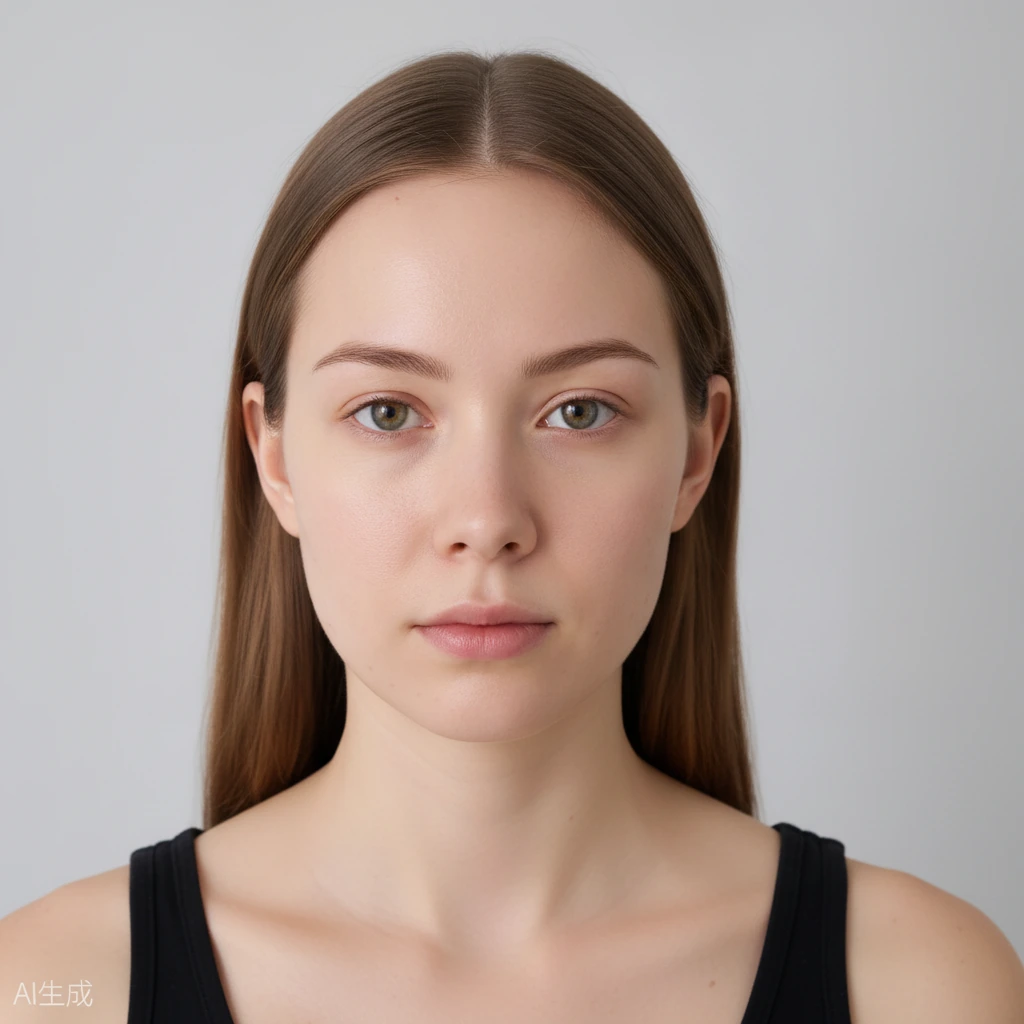
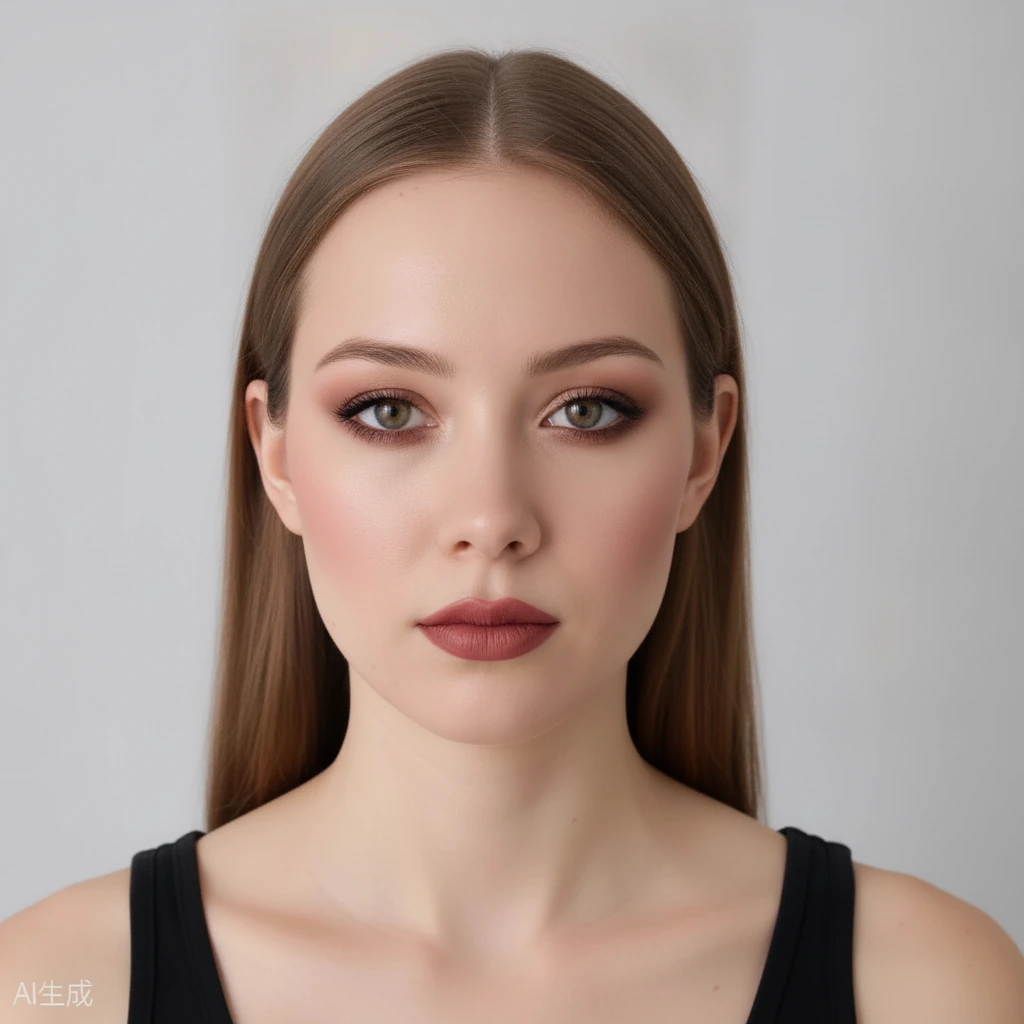 BeforeAfter
What Makes K-Beauty Different to Test
The base is the foundation of the look and the hardest part to judge from a swatch. Korean base makeup aims for a luminous, slightly wet finish rather than a matte one, and that finish changes completely depending on your skin type and the light you are standing in. On dry skin it reads healthy; on very oily skin, in warm light, the same finish can read shiny instead of dewy. Seeing it on your own face in a realistic frame is the only way to tell which side of that line you fall on.
The brow shape is the second piece that does not translate from a photo of someone else. Straight, softly filled brows shorten the face and soften the expression, but the effect depends on where your natural arch sits. On a strongly arched brow, drawing straight over the arch can look drawn-on rather than soft, and the preview makes that obvious immediately.
Aegyosal — the subtle highlight under the lower lash line — is the detail that most people get wrong when copying a tutorial. Placed too low it reads as a smudge; placed too high it disappears when you smile. A preview on your own eyes shows where it should sit for your eye shape.
The gradient lip depends on your natural lip pigment more than on the product. If your lips are already pigmented, a sheer centre colour will read differently than on someone with pale lips, and the same product can look like a full stain or a faint tint. That is not something a product photo can tell you.
K-Beauty on Different Skin Tones
Most Korean makeup imagery is shot on fair, cool-to-neutral skin, and copying it directly on deeper or warmer skin tones often produces a look that feels washed out rather than fresh. The fix is not to avoid the style — it is to adjust which parts carry the colour.
On deeper skin, the dewy base needs a shade match that does not grey out the complexion, and the blush usually has to sit a little more saturated to show at all. On warmer undertones, peach and coral blushes read more naturally than the cool pinks that dominate K-beauty editorials.
The highlight placement stays broadly the same, but the intensity changes: a strong aegyosal that reads delicate on fair skin can read as a stripe on deeper skin, so it usually needs to be softer and closer to the lash line.
Testing on your own photo is the fastest way to find that adjustment, because you are comparing options against your actual skin tone rather than translating from someone else's.
How to Run the Try On
Start with a clean, front-facing selfie in even daylight. Existing heavy makeup will fight the look you are applying, and a tilted or dim photo makes it hard for the tool to place the base and the brow correctly.
Choose the Korean makeup look and generate. You get the result back in under a minute, with a before-and-after slider so you can judge the change rather than just the final image.
Then adjust the parts that matter most to you. If the base looks too luminous for your skin, pull the intensity down. If the brows read too heavy, soften them and compare. Working part by part is more useful than regenerating the whole look repeatedly.
Save the version you like as a reference. Having a finished image on your own face is far more useful when you are shopping or booking an appointment than a description of the look.
Where This Works Best — and Where It Does Not
It works best for colour and placement decisions: which blush suits you, how strong the aegyosal should be, whether a gradient lip or a full lip flatters your face more. Those are the choices that cost money when you get them wrong.
It works less well for texture and wear. The preview will not tell you whether a cushion foundation oxidises after four hours, whether a lip tint stains evenly, or how a dewy base holds up in humidity. Those questions need a patch test on your own skin, not a render.
It is also not a substitute for a makeup artist for a high-stakes event. What it does is let you arrive at that appointment with a clear reference and a realistic expectation, which usually shortens the process and produces a better result.
Used that way — as a decision tool before you spend — it removes most of the guesswork from trying a style that was designed for someone else's face.
Frequently Asked Questions
Is the Korean makeup try on free?
Yes. Free daily generation credits are included and you can start without an account, so you can test several versions of the look at no cost.
Will it work on deeper or warmer skin tones?
Yes. The makeup is applied to your own photo, so you see how the base, blush and lip colours actually read on your skin rather than on the fair skin most K-beauty imagery uses.
Does it include aegyosal and straight brows?
The Korean makeup look includes the full set — dewy base, straight brows, under-eye highlight, blush and gradient lip — and the face-part controls let you adjust individual areas.
Can I use it to choose a cushion foundation shade?
It helps with how a shade reads against your complexion in a photo. It does not simulate oxidation, coverage level or wear time, so use it to narrow the options and patch test the final choice on your skin.
Do you store my selfie?
Uploaded photos and generated results are private, are never indexed by search engines, and expire automatically after a limited time.