How to Pick a Lipstick Shade for Your Skin Tone
October 10, 2026 · 4 min read
Learn how to pick a lipstick shade for your skin tone without guessing. Undertone, depth, and finish decide more than the color looks in the tube.
Undertone Comes Before Depth
Learning how to pick a lipstick shade for your skin tone starts with undertone, not how light or dark you are. Two people at the same depth can wear very different lip colors well. Warm, cool, and neutral undertones each pull the same tube in a different direction on the face.
Depth still matters, but it mostly changes the intensity of a shade rather than its family. Someone with deeper skin can usually carry more pigment and richer color without looking overwhelmed. Fairer skin often needs a more muted version of the same idea to look balanced.
The confusion starts when people shop by trending shades instead of by their own coloring. A color that is everywhere on social media can fall flat once it is on your lips. Building from undertone first keeps you from chasing shades that were never going to suit you.
How to Read a Shade Before You Swatch
A lipstick looks different in the tube, on your hand, and on your face, and the tube is the least useful of the three. Store lighting adds its own tint, so even a hand swatch can mislead. Reading the undertone of the shade itself is a better first step.
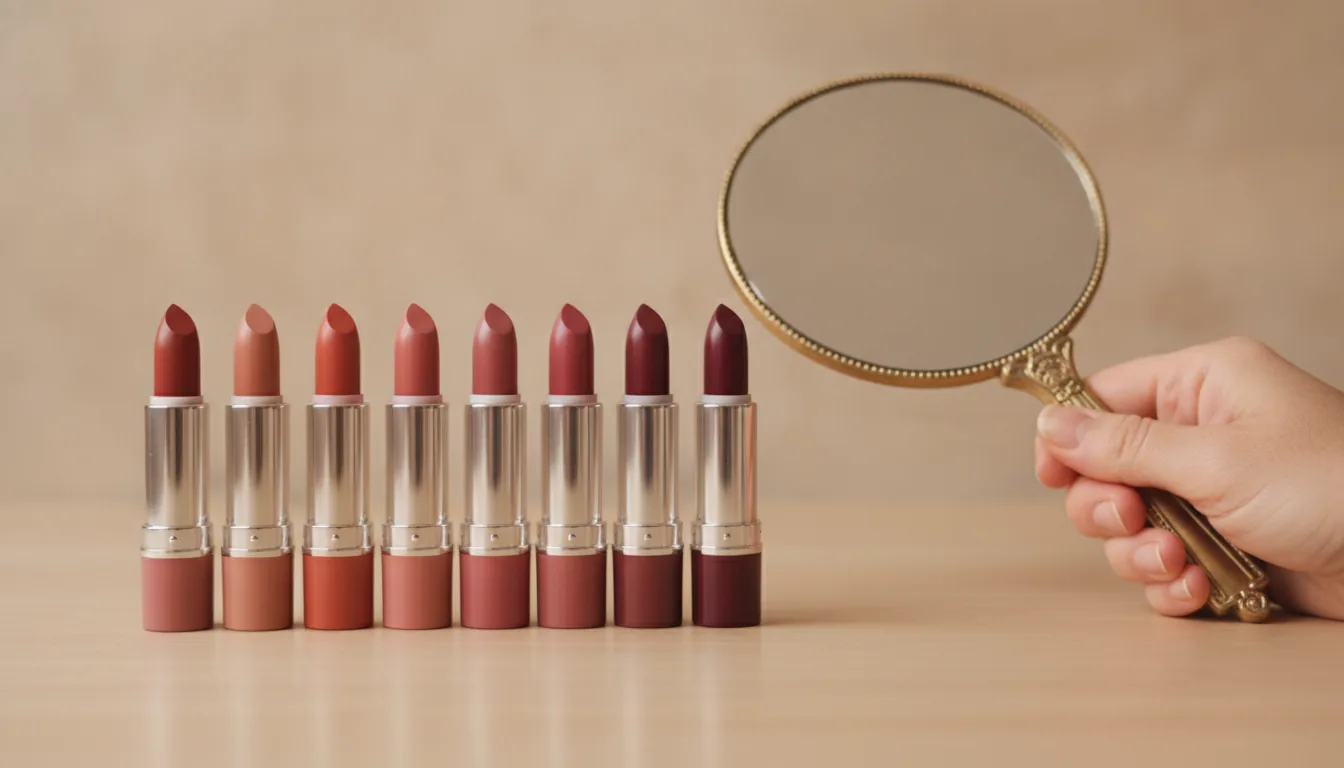
Warm shades lean orange, brown, and terracotta. Cool shades lean blue, purple, and true pink. Neutral shades sit in the middle and rarely swing hard either way. Matching the shade's undertone to yours is the shortcut most people miss when picking a lipstick shade for your skin tone.
Matte, satin, and gloss finishes also change how a color reads. Matte deepens and can look darker on the lips, while gloss catches light and can make a shade appear sheerer. Knowing the finish tells you what to expect before anything touches your mouth, and it is one more clue to weigh alongside undertone and depth when you decide.
Skin Depth Changes Intensity, Not Family
Within your undertone family, depth tells you how far to push. Lighter skin often looks best in the softer end of a family, while deeper skin can carry the boldest version of the same hue. The family stays constant, and only the volume changes as you move deeper.
This is why two friends with similar undertones can share a color family but not a specific shade. One may glow in a dusty rose while the other needs a deep wine to get the same effect. Depth is the dial that adjusts strength inside a family. The very same family can look bold on one person and soft on another.
If you are unsure where you sit, a quick preview on your own photo at aitrytry.com can show several depths of the same hue on your actual face. Seeing the lip colors side by side beats guessing which end of the family fits you. It takes seconds and settles the guesswork.
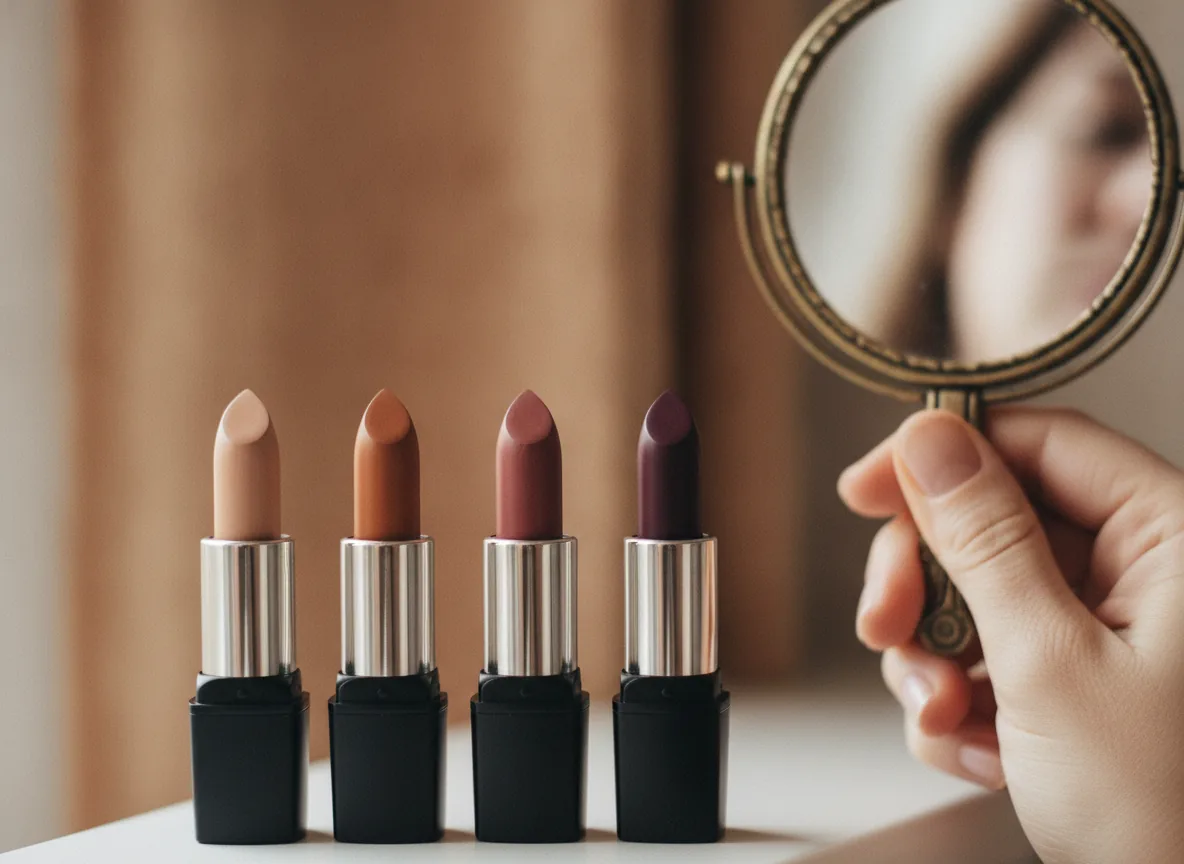
Shade Families Worth Knowing
Warm undertones often do well with brick, coral, peach, and warm browns. Cool undertones tend to shine in berry, plum, cherry, and blue-based reds. Neutral undertones can pull from both sides and may even set the rules aside when a shade simply works. Knowing a few families narrows the shelf before you even start swatching.
Nudes are where undertone matters most and where most mistakes happen. A nude that is too cool can look gray and draining, while one that is too warm can look orange. Look for a nude one or two steps deeper than your natural lip for the safest match.
Red is the classic test of undertone and also the most forgiving once you find yours. A blue-based red flatters cool undertones, while an orange-based red suits warm undertones. Most people own one red that always works, and that one usually reveals their family. If you are unsure, that reliable red is worth studying closely.
Testing Before You Buy
Try new shades against your bare lips rather than over another lipstick. Wipe a small patch on the lower lip, wait a moment, and check it in daylight. Colors can shift as they warm up on skin, so give a shade a minute before you judge it.
Keep a running shortlist of shades you already know work, and compare anything new against them. This habit makes shopping faster and cuts down on impulse buys that end up unused. A useful shade is one you reach for without thinking, not one that only looks good in the store.
When in doubt, preview the lipstick on your own face at aitrytry.com before you spend money on a full tube. Testing a few options on your lips in different light settles the choice better than any online swatch photo ever could. It takes only a minute and saves the cost of a shade you will never wear.
See it on your own photo
Upload one photo, choose a look, and preview the result in seconds. New accounts start with 20 free credits and every generated image costs 10.
Try AI Makeup