Base Makeup for Beginners: A Simple Step Guide
October 10, 2026 · 4 min read

Base makeup for beginners, explained simply: prep skin, pick coverage, hide and set, and fix a patchy finish without buying every product.
Prep Comes Before Product
Base makeup for beginners works best when you treat skin prep as part of the routine, not a step you skip. Cleanse gently, then moisturize while the skin is still slightly damp so it absorbs well. Give the moisturizer a minute to settle before anything else touches your face.
Sunscreen belongs in this step every morning, even on cloudy days and even under foundation. Let it dry fully, or the layers above will slide and separate. If your skin feels tight after cleansing, it is probably dehydrated, and adding moisture now prevents a patchy finish later in the day.
Not everyone needs the same amount of hydration. Oily skin often does better with a light gel, while dry skin drinks up a richer cream. Pay attention to how your face feels an hour after moisturizing, and adjust rather than following a fixed rule. Your skin changes with weather and seasons.
Choose the Right Coverage
Foundation ranges from sheer to full, and base makeup for beginners usually works best starting light. A sheer tint evens out tone without hiding skin, so mistakes are less obvious. You can always add a second thin layer in the places you want more coverage, like around the nose or chin.
Match the shade to your jawline in daylight, not to your hand or wrist. Test a few swatches, let them sit for a few minutes, and pick the one that disappears into the skin. Shade names differ between products, so numbers mean little on their own. Lighting in a store can mislead you badly.
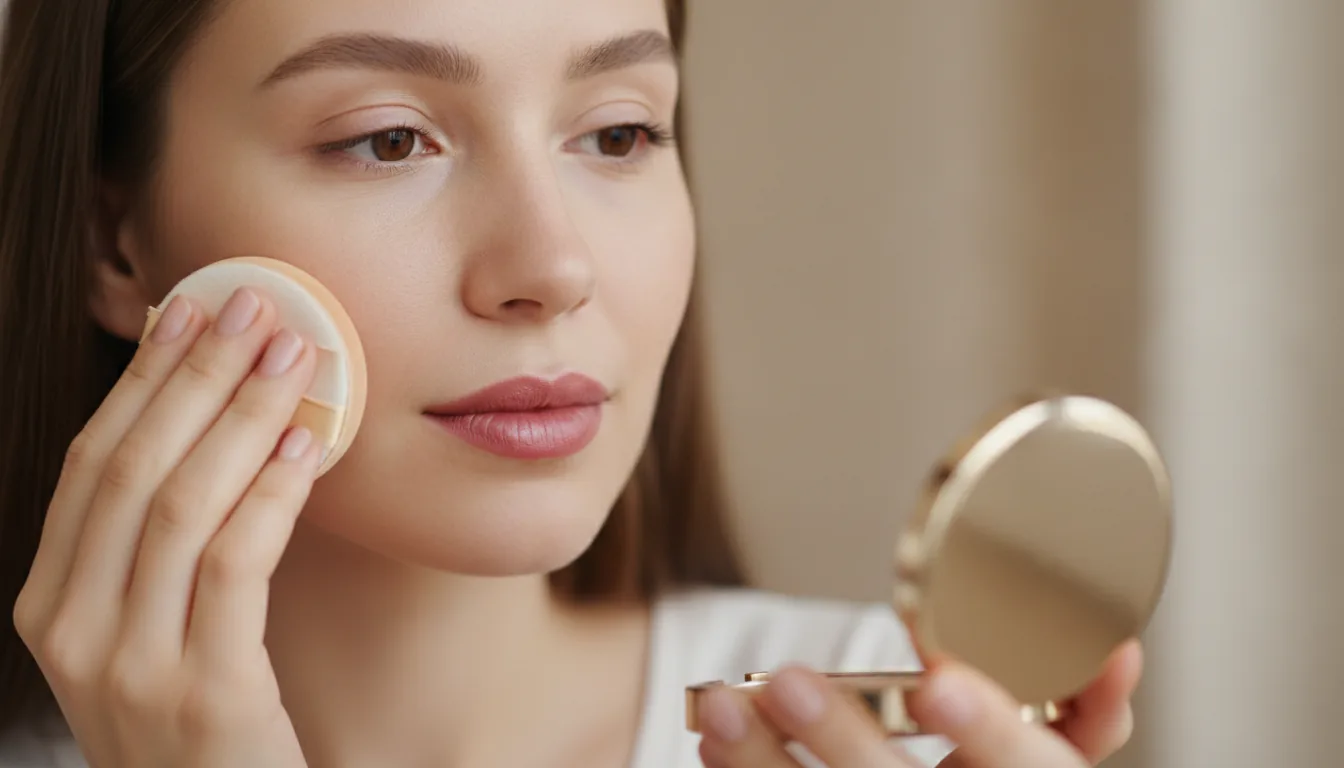
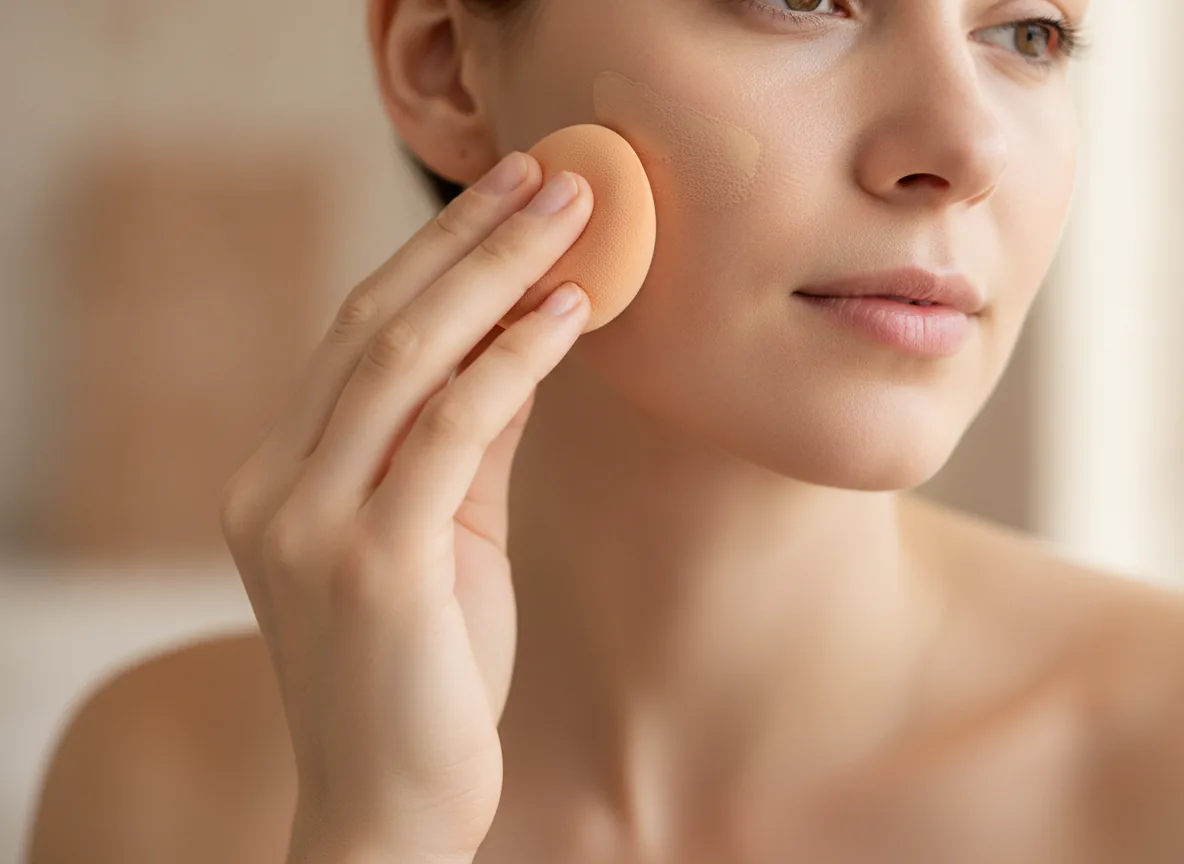
Applying foundation with a damp sponge gives a soft, seamless finish, while fingers warm the product so it blends quickly. Brushes suit those who prefer control. Whichever you use, tap or press rather than dragging, since tugging disrupts the thin layer you are building. Start in the center of the face and work outward.
Hide, Brighten, Set
Concealer is for areas foundation cannot fully even out, like under-eye shadows, blemishes, or redness around the nose. Use a small amount and build up slowly. Applying too much at once makes the area crease and look cakey by midday, which is the opposite of what you want.
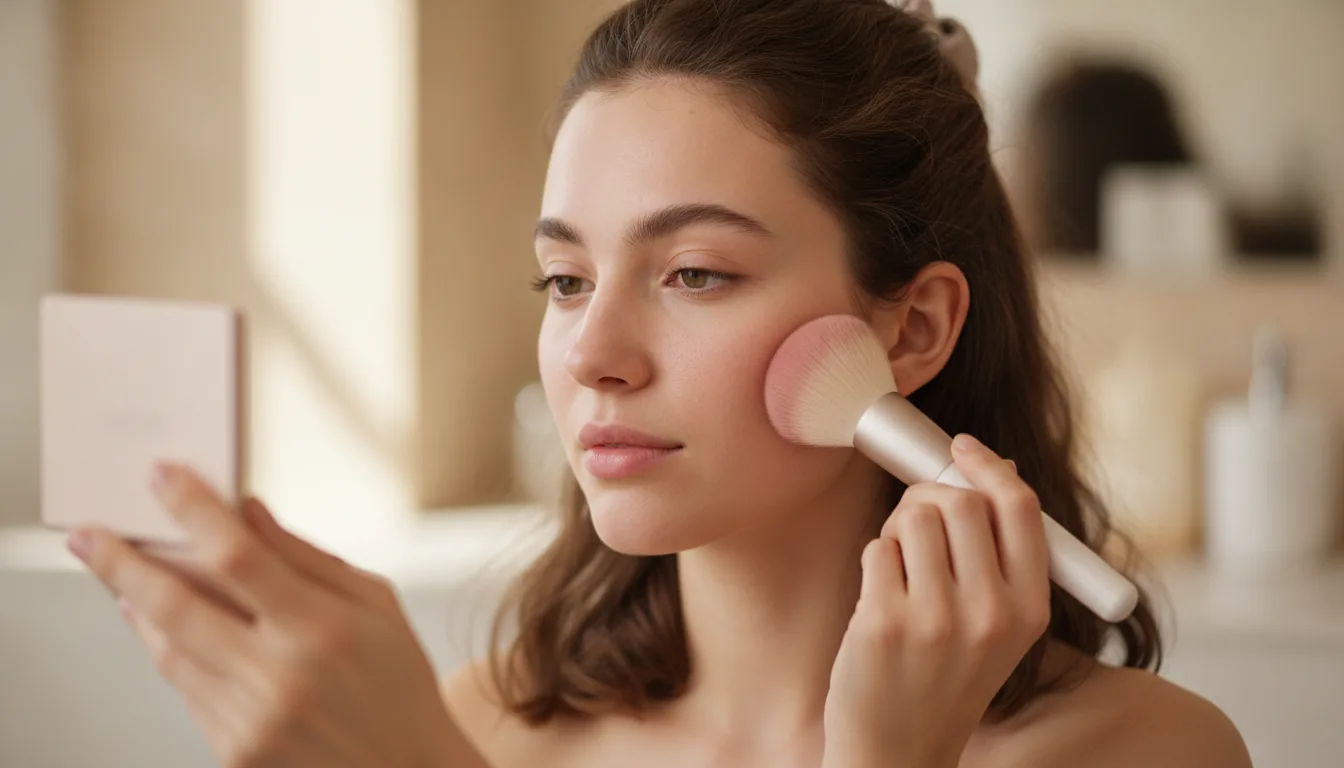
Powder locks everything in place, but only where you need it. Light dusting through the center of the face controls shine without flattening the cheeks. Skip powder under the eyes if that area is already dry. A small fluffy brush reaches corners better than a large one and wastes less product.
Coloring is where guesses get expensive, so preview first. On aitrytry.com you can upload a selfie and see how different foundation tones and finishes sit on your own face before you spend. It is a practical way to narrow choices, especially when the lighting in a store plays tricks on your eyes.
Keep It Simple Day to Day
A daily base does not need many products. Cleanser, moisturizer, sunscreen, a sheer tint, a little concealer, and a touch of powder cover most needs. Layering fewer items keeps the finish looking like skin and makes your routine faster on busy mornings before work or school.
If a product pills or separates, the usual culprit is too much at once or a mismatch between a heavy cream and a slippery formula. Let each layer dry, and use thinner textures underneath. Changing one thing at a time helps you learn what your skin actually likes instead of guessing.
Evening is the time to let skin breathe. Remove everything with a gentle cleanser, using a balm or oil first if you wore long-wear products. Skipping this step clogs pores and dulls the complexion over time. A consistent, simple nighttime routine pays off more than an elaborate one you dread doing.
Fix the Finish
A patchy base often traces back to dry patches rather than bad product. Exfoliate gently once or twice a week, and moisturize those spots before foundation. Rubbing flaky skin with a sponge only lifts the texture further. Hydrated skin holds makeup more evenly and looks smoother through the day.
If foundation turns orange by afternoon, it is likely oxidizing on your skin or reacting with oils. Trying a slightly lighter shade or a different formula sometimes fixes it. Setting with powder may help too. There is no universal answer, because body chemistry differs from person to person.
Building confidence with base makeup for beginners takes practice, and every face behaves differently. Start with fewer products, watch how they wear across a full day, and adjust gradually. Reading your own skin honestly is more useful than copying a look suited to someone else. Small, patient tweaks add up over time.
See it on your own photo
Upload one photo, choose a look, and preview the result in seconds. New accounts start with 20 free credits and every generated image costs 10.
Try AI Makeup