Best Makeup for Dry Skin: A Practical Guide
October 10, 2026 · 4 min read

The best makeup for dry skin starts with prep and the right texture. Learn how to pick formulas that flake less, set selectively, and preview shades first.
What Dry Skin Actually Needs From Makeup
The best makeup for dry skin behaves differently from makeup built for oily complexions. Dry skin has less oil to hold pigment in place, so formulas can cling to flakes and settle into fine lines by the afternoon. The goal is not more coverage but a finish that stays flexible, comfortable, and hydrating-feeling through the day.
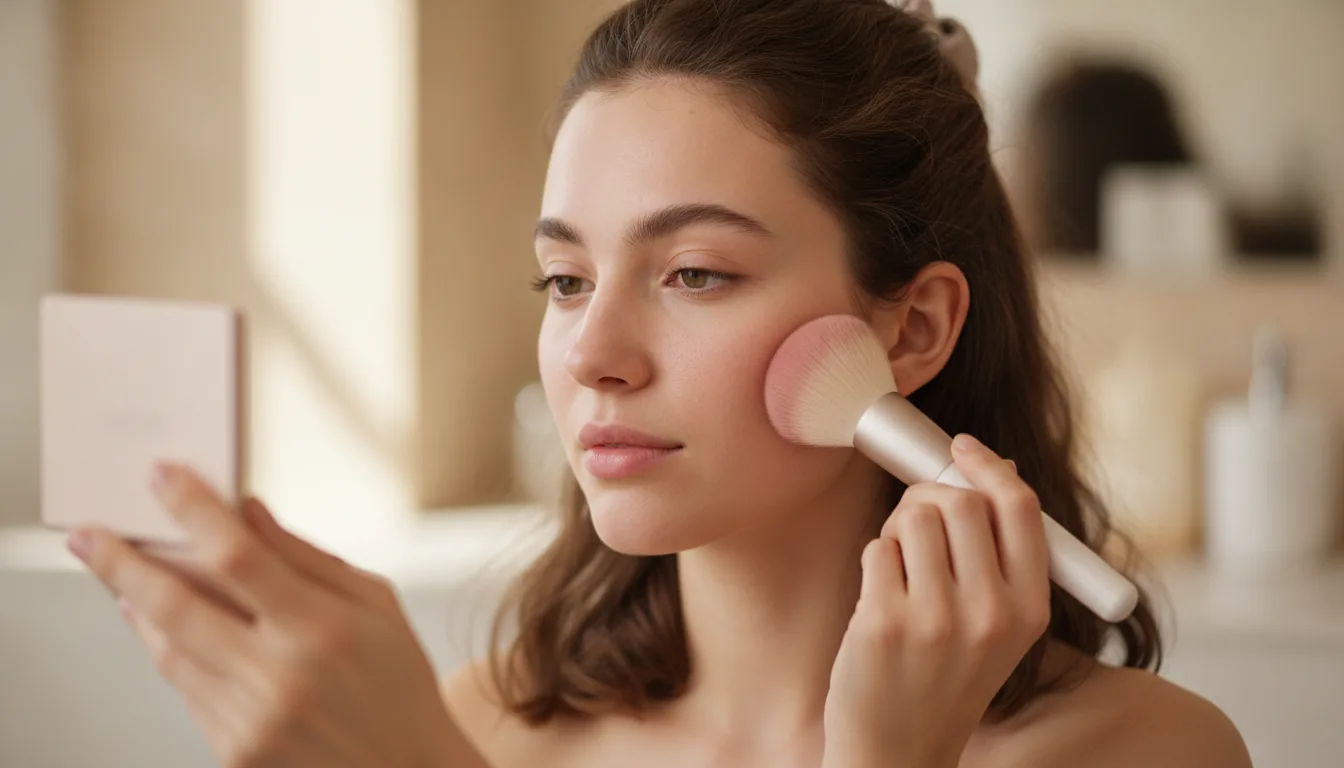
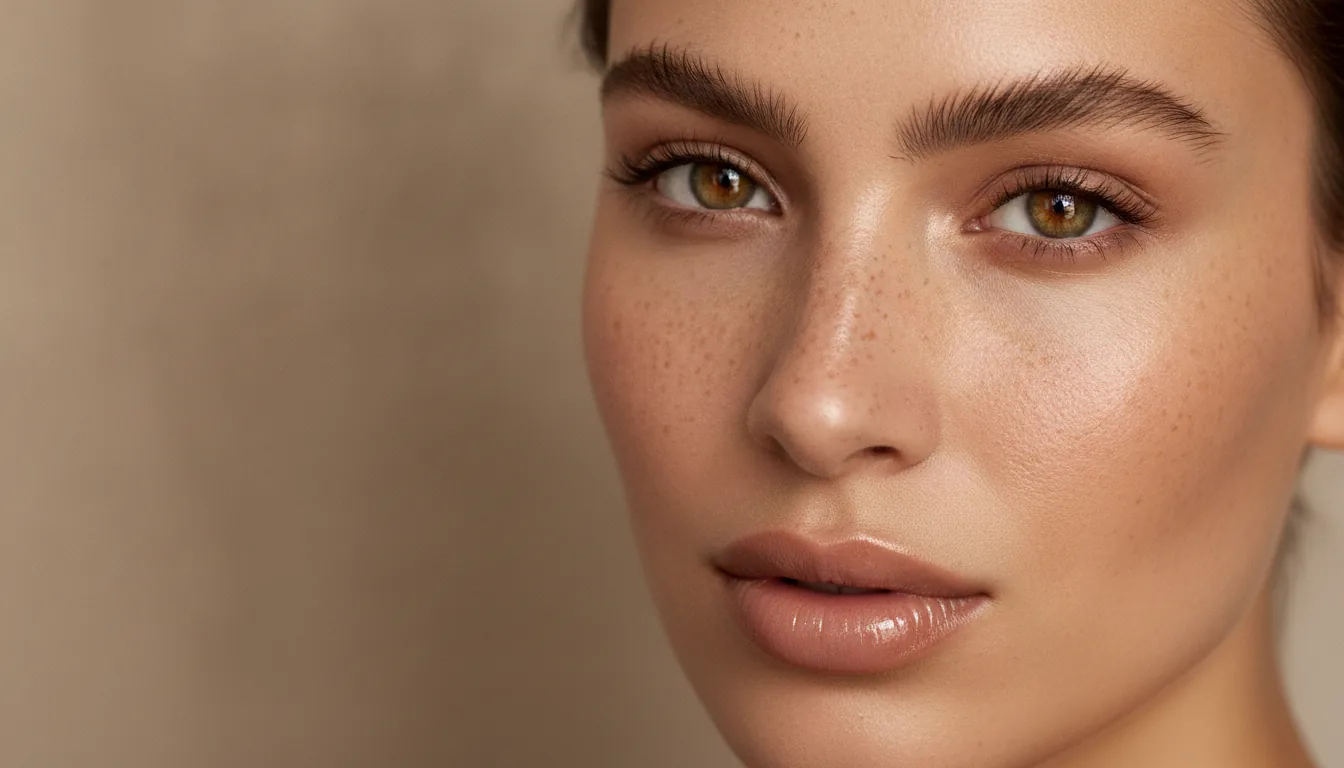
Look for cream-based products rather than heavy matte powders. Creams move with the skin and reflect a little light, which makes texture look softer instead of more obvious. A luminous finish is usually more forgiving than a flat matte one, especially on cheeks and around the mouth where dryness shows first.
Ingredients matter more than claims. Humectants like glycerin and hyaluronic acid attract water, while emollients such as squalane and plant oils help soften the surface. You do not need every ingredient in one bottle, but a formula built around moisture tends to sit better on dry skin than a long-wear formula made for shine control.
Prep That Makes Foundation Behave
Prep does most of the work. Apply a hydrating moisturizer and let it absorb fully before makeup, because applying over tacky skin is what causes foundation to bunch. If your skin still feels tight, add a light facial oil on the driest areas and wait a minute before you start layering.
Choose a primer that adds slip rather than one that mattifies. Silicone-based primers smooth the surface and can help a hydrating foundation glide on more evenly, though some people prefer a moisturizing primer without silicones. Whichever you pick, give it a moment to set so it does not interfere with the base above it.
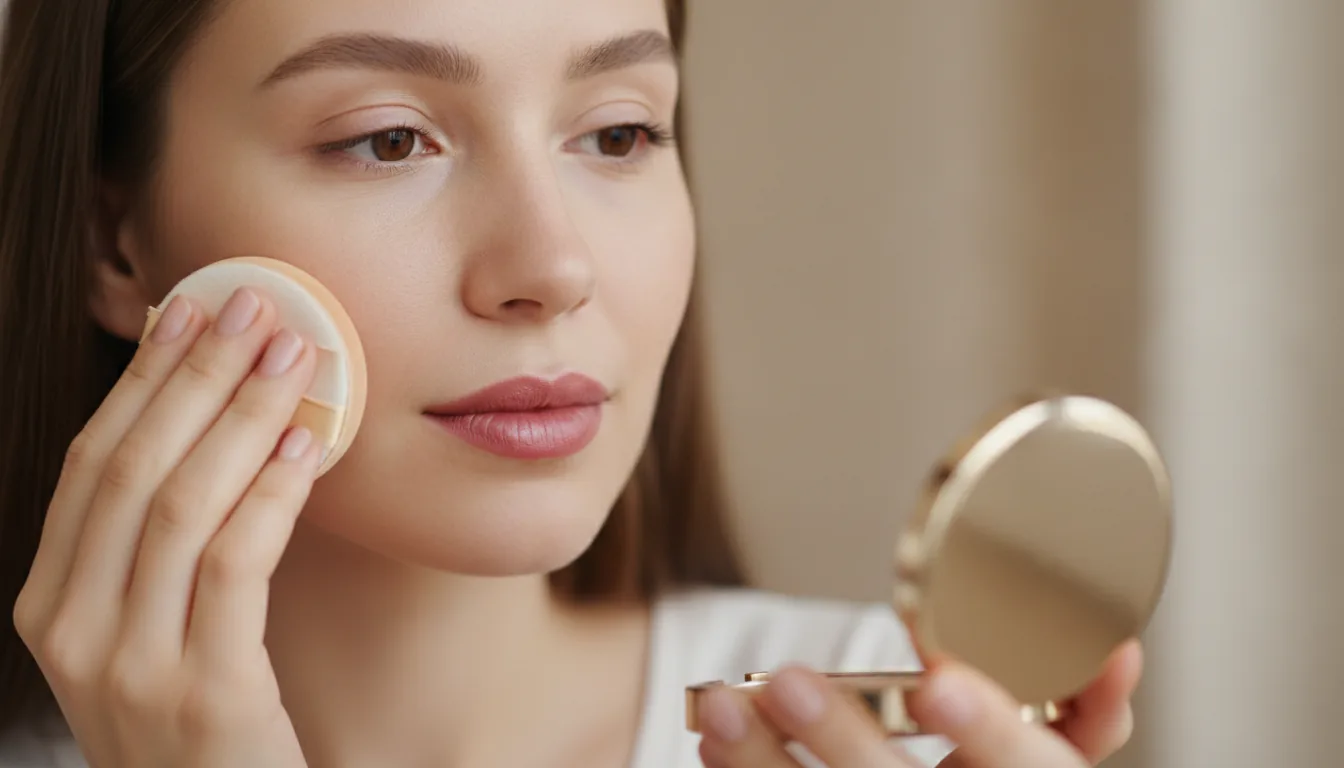
Apply foundation in thin layers with a damp sponge or your fingers, which are warm and help the product melt in. Build coverage only where you need it instead of spreading a thick layer everywhere. Thin, even layers keep dry skin from looking cakey, which is the most common complaint people have with foundation on dry skin.
Testing Shades and Glow Before You Buy
On dry skin, finish matters as much as shade. A foundation that looks perfect in the bottle can turn ashy or flat once it meets your undertone and the light in your room. That is why seeing it on your own face before buying saves both money and disappointment.
Use a selfie on aitrytry.com to preview a shade and finish on your own features. It helps you judge whether a luminous base reads dewy or greasy, and whether a blush is too cool or too warm for you. Doing that first means you walk in already knowing what to test.
Sample before you commit to a full-size bottle. Many counters offer a small sample pot, and travel sizes let you live with a formula for a week. Dry skin can react to how a base wears over several days, so a short trial tells you more than a two-minute swatch ever will.
Choosing Formulas That Do Not Flake
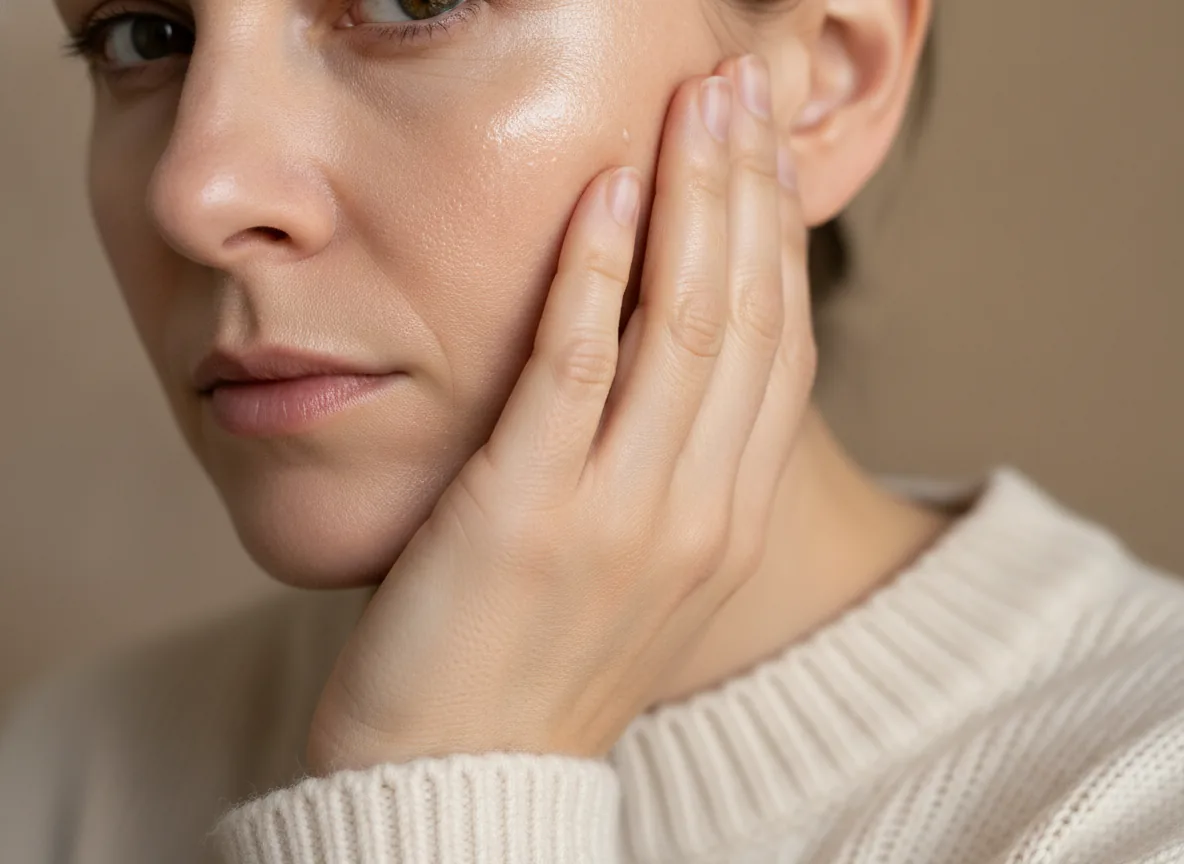
Long-wear and matte are the two words to treat with caution when you look for the best makeup for dry skin. Formulas engineered to grip and stay put often use ingredients that can feel tight, and matte finishes can make every dry patch visible. A hydrating, medium-coverage formula usually wears more comfortably and looks better as the day goes on.
Set selectively. A light dusting of finely milled powder only under the eyes and down the center of the face controls shine without drying the rest. Skip baking, and skip heavy powder all over, because both pull moisture from the surface and emphasize the flaking you were trying to hide.
Cream blush, cream bronzer, and a tinted lip balm all play well with dry skin because they add color and a little moisture at once. They also blend with fingers, which is convenient and gentle. Powder blushes are fine if you tap off the excess and press rather than sweep across the cheek.
Common Mistakes and Quick Fixes
The biggest mistake is adding more powder when makeup starts to break up. On dry skin, that usually makes it worse. Instead, press a little moisturizer or a hydrating mist over the area and gently blend, then touch up with a thin layer of the same base only where it faded.
Exfoliation is another balance to strike. Gentle, occasional exfoliation clears the flaky surface so makeup sits smoother, but overdoing it makes skin more sensitive and reactive. If a product stings, stop using it and give your skin a few calm days before trying anything new.
Finally, remember that the best makeup for dry skin is the one you will actually wear. If a formula feels tight or looks flat, it is not worth the money no matter how it is marketed. Check how it looks in daylight, preview the shade first, and keep only what earns its place in your routine.
See it on your own photo
Upload one photo, choose a look, and preview the result in seconds. New accounts start with 20 free credits and every generated image costs 10.
Try AI Makeup