How to Find Your Undertone: Warm, Cool, or Neutral
October 10, 2026 · 4 min read
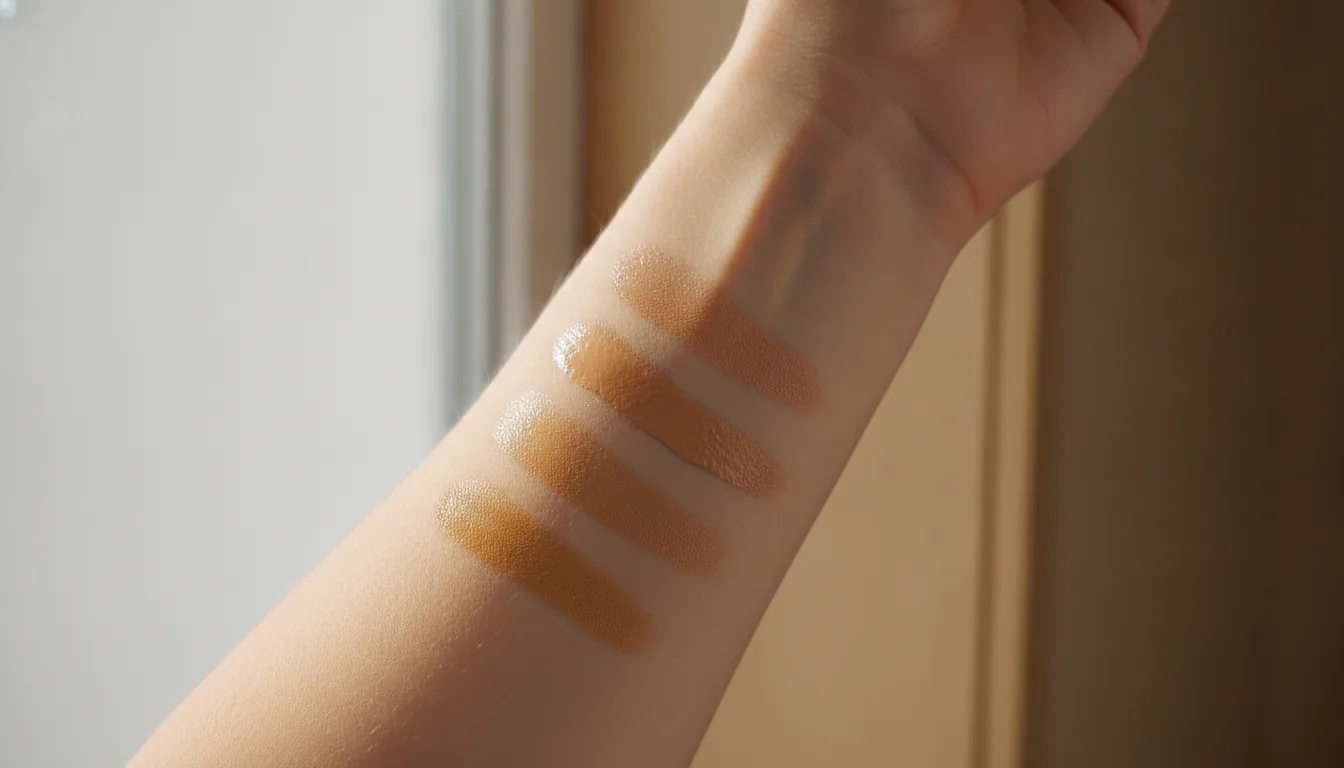
Learning how to find your undertone makes foundation, lipstick, and hair color easier to choose. Simple tests tell warm, cool, and neutral apart.
What Undertone Actually Means
Knowing how to find your undertone is the shortcut to makeup that flatters instead of fighting you. Undertone is the quiet color beneath your skin, always there no matter how fair or deep you are. It leans warm, cool, or neutral, and it rarely matches the surface tone you see in the mirror.
People often confuse undertone with overtone, but they behave differently. Overtone is the color sitting on the surface, and it can shift with sun exposure, a breakout, or how much water you drink. Undertone stays steady underneath all of that, which is why a foundation matched only to your surface color tends to look slightly off.
Once you know your undertone, shopping gets far less random. The same red lipstick that looks perfect on a warm-toned friend can pull harsh on someone cool-toned, even though the tube is identical. Undertone does not change over time, so the answer you find today should serve you for years.
The Vein Test, Done Carefully
Look at the veins on your inner wrist in natural daylight, not under a lamp. If they read mostly blue or purple, you likely lean cool. If they look green, you likely lean warm. When you honestly cannot tell, or they seem to sit between blue and green, neutral is the better guess.
This test is a starting point, not a verdict. Fair skin sometimes shows veins faintly, and deeper skin can hide them almost completely, so blue versus green is not always readable. If the wrist test leaves you unsure, treat it as one clue among the others rather than the final word.
Squeezing your hand or flexing your wrist can push veins closer to the surface, but it also flushes the skin and muddies the colors. Keep your arm relaxed and compare in the same light each time. Consistency matters more than any single reading, especially if your skin tone sits near a boundary.
Jewelry, Fabric, and Sunlight Clues
Metals are a quick tell. Hold a silver piece against your jaw, then a gold piece, and notice which makes your skin look clearer and more awake. Warm undertones usually glow next to gold, while cool undertones tend to look fresher beside silver. If both look fine, you are probably neutral.
Fabric gives another signal. Drape a white shirt and then a cream or ivory one near your face. Cool undertones often look crisp in pure white, while warm undertones can seem washed out by it and more alive in cream. A quick phone photo makes the comparison easier to judge fairly.
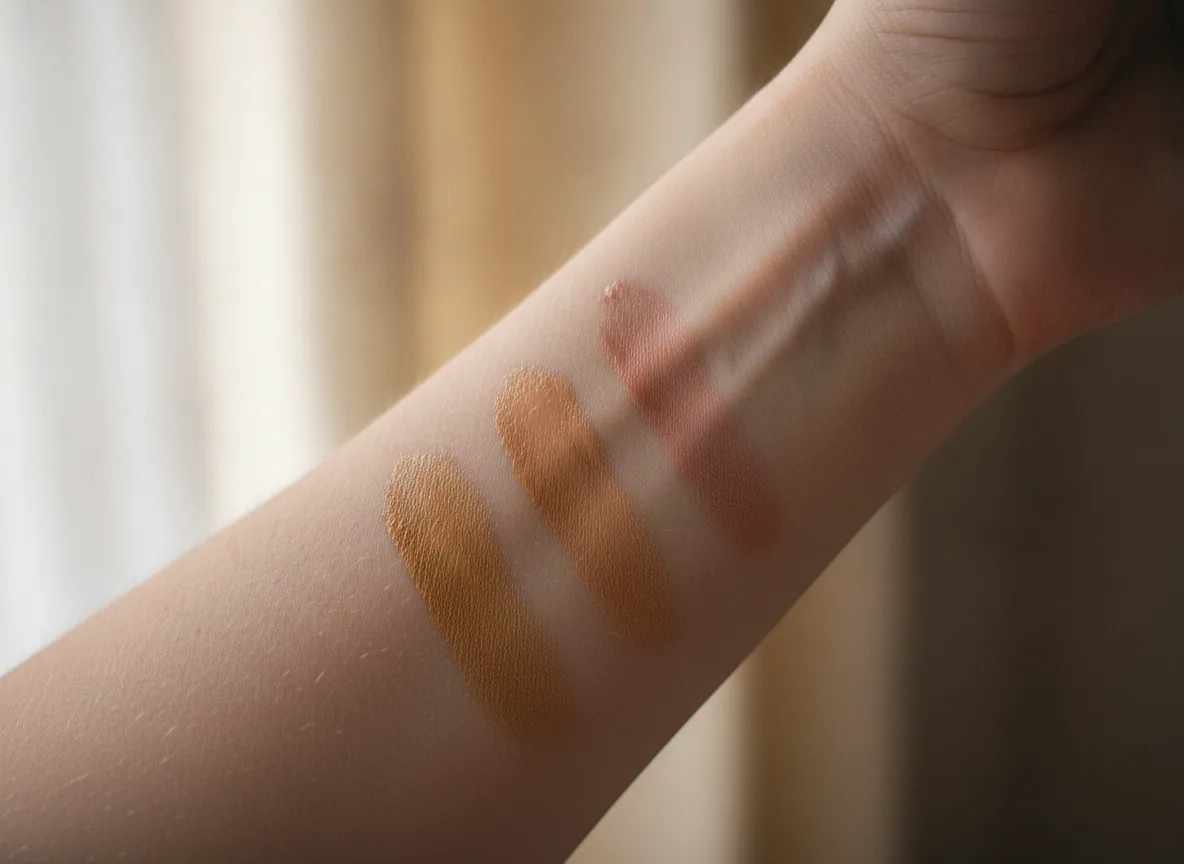
Sunlight is the loudest clue of all. Tanned skin that turns golden leans warm, while skin that burns easily and stays pinkish leans cool. You can also preview a set of lip and cheek shades on your own photo at aitrytry.com and see which family your face responds to before you buy anything.
Watch for These Common Mistakes
The biggest error is letting a tan decide your undertone. A tan layers color on the surface, but the undertone underneath does not move. Basing a foundation match on summer skin often leads to the wrong shade once the tan fades and your real undertone returns.
Another trap when finding your undertone is trusting a store's overhead lighting. Warm bulbs make everything look warmer, and cool bulbs do the opposite, so a shade that seems perfect indoors can turn strange at the door. Step outside or near a window before deciding, and check your jawline against your neck.
Some people also mistake a surface redness for a cool undertone. Irritation, sun exposure, and recent changes can all look pink without meaning your base color is cool. If your redness comes and goes, it is surface, and your true undertone is probably sitting right underneath it.
Putting Your Undertone to Work
Once you have found your undertone, foundation, blush, and lipstick become easier to choose. Warm undertones usually suit peach, coral, and brick, while cool undertones tend to shine in rose, berry, and plum. Neutral undertones have the easiest time, since they can borrow freely from both directions.
These are tendencies, not laws, and plenty of people happily break them. If a shade you were told to avoid keeps looking good on you, trust your eyes over any guide. Skin also shifts slightly through the year, so revisiting your answer once or twice is worth the effort.
You do not have to memorize all of this. Save a few shades you know work, then compare new ones against them. Testing a look on your own face at aitrytry.com before you spend is the simplest way to confirm your undertone guess rather than hoping a swatch card tells the truth.
See it on your own photo
Upload one photo, choose a look, and preview the result in seconds. New accounts start with 20 free credits and every generated image costs 10.
Try AI Makeup